
Currently Empty: R0.00


A Healthy Teenager: Top Wellness Tips
The teenage years bring plenty of changes: physical, emotional, exciting and sometimes difficult. As parents and caregivers, we can help young people learn to care for themselves while giving them room to grow in confidence and independence. A healthy routine involves more than eating vegetables and remembering to shower. It also means feeling listened to, getting enough rest and knowing when to ask for help.
Balanced meals for growing bodies
Teenagers need enough energy and a variety of nutrients to support growth. Offer regular meals with vegetables, whole fruit, wholegrain or other starchy foods, protein foods and dairy or suitable fortified alternatives. Beans, lentils, eggs, fish and other protein foods can all have a place, depending on the family’s needs and preferences.
Whole fruit and plain milk contain naturally occurring sugars, but they also provide useful nutrients. They should not be treated as equivalent to sweets or sugary drinks. Carbohydrates are an important energy source; a teen does not need to cut them out to be healthy. Choose water regularly and limit sugary drinks, without making food a source of guilt.
Include unsaturated fats from foods such as olive oil, avocado, nuts or seeds where suitable. Avoid crash diets, skipped meals and weight-loss supplements. If you are worried about growth, nutrition, food restriction or body image, involve a healthcare professional or registered dietitian.
Make movement enjoyable
School sport can be a good option, but it is not the only way to be active. Focus on enjoyable movement and shared experiences. Try a family walk, a dance session, cycling, an outdoor class or an informal volleyball or basketball game with friends.
For ages 6–17, general guidance recommends at least 60 minutes of moderate-to-vigorous physical activity each day. This can be spread across the day. Include activities that build muscle and bone strength on at least three days a week, with suitable instruction and supervision. Start from the teen’s current ability and adapt activities for health conditions or disabilities with professional guidance.
Check local community activities and invite a friend along. Choose safe locations, appropriate equipment and supervision, particularly around water. Persistent pain or an injury needs assessment, rather than a supplement intended to help someone continue through it.
Make sleep part of the routine
Teenagers aged 13–18 generally need 8–10 hours of sleep per 24 hours. Agree on realistic bedtimes and wake-up times, allow a wind-down period and discuss keeping phones from interrupting sleep. If sleep difficulties persist or affect school and daily life, speak to a healthcare professional.
Support hygiene without embarrassment
Puberty can bring changes in sweating, body hair, skin and periods. Offer calm, practical help with washing, clean clothing, dental care and menstrual supplies where needed. Respect privacy and avoid jokes that make a young person feel ashamed of their body.
Acne is not a sign that a teenager is dirty. If skin problems are painful, persistent, scarring or upsetting, a pharmacist or clinician can help with suitable care.
Take emotional wellbeing seriously
Listen before trying to solve everything. A worry that seems small to an adult may feel overwhelming to a teenager. Do not dismiss persistent distress as hormones or assume it will simply pass.
- Encourage them to talk to a trusted adult, whether that is you, a teacher, a relative or a counsellor.
- Help them recognise their strengths and interests without constant comparison with others.
- Offer journalling, hobbies or quiet time as options, rather than compulsory ways to feel better.
- Discuss friendships, personal values, boundaries and how to ask for help with bullying or pressure.
- Agree on screen habits that leave time for sleep, school, movement and in-person connection.
- Talk openly about risky situations, smoking, vaping, alcohol and other substances, keeping the conversation supportive.
Seek professional support for persistent low mood, anxiety, withdrawal, major changes in eating or sleep, or difficulty managing everyday activities. Our guide to depression and anxiety symptoms explains why assessment matters. If a young person may harm themselves or cannot stay safe, get urgent help through emergency services or the nearest emergency department and stay with them while help is arranged.
Do teenagers need supplements?
Supplements are not a routine requirement for every teenager and cannot replace varied meals, rest or healthcare. A clinician may recommend one for a particular nutritional need. Many supplements have not been adequately studied in children, and suitability depends on the ingredients, dose, age, medical history and other medicines. Ask a doctor or pharmacist before giving a teen any supplement, and follow age-specific professional advice and the label.
Understanding Nordens product information
The following product information is not a recommended daily supplement programme for teenagers.
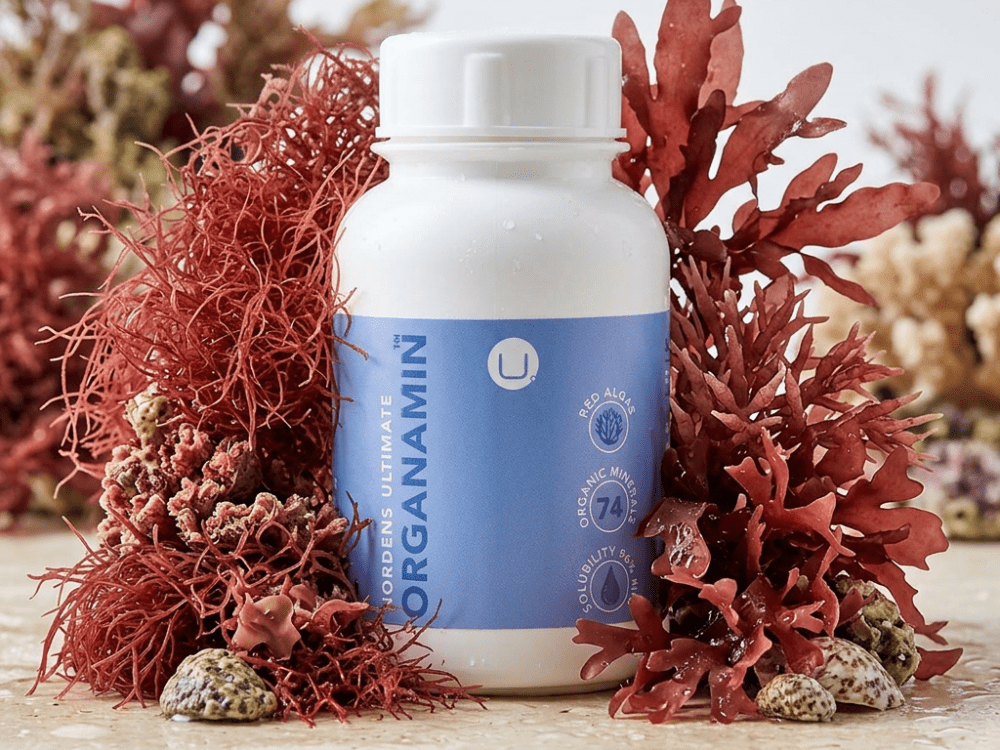
- Organamin contains Lithothamnium Calcareum, a mineral-rich red algae ingredient. Calcium is important for normal bone development, but an ingredient’s nutritional role does not establish that every teen needs a particular product or that it treats sleep, skin or inflammatory conditions.
- Rewind: Rewind’s formulation contains laboratory-confirmed nanoparticle sized clinoptilolite. Rewind is not intended to diagnose, treat, cure or prevent disease. Its liquid spray formulation uses a specialised technical process; it is not conventional clinoptilolite powder mixed with water. These formulation facts do not establish suitability for children or a benefit for anxiety, stress or concentration.
- Skin. Nails, Attention Max and Joint Guard: product names and delivery formats do not establish that these products treat acne, improve school performance or prevent sports injuries. Individual suitability requires assessment; this article does not recommend them for routine teen use.
For labelled product information, browse the Nordens product range or email info@nordens.co.za. Questions about a teenager’s symptoms, nutritional needs or treatment belong with their healthcare professional.
Sources and further reading
- NIDDK: A health guide for teenagers
- CDC: Physical activity for children and teens
- CDC: Sleep and health
- NCCIH: Supplements for children and teens
General information only; not a diagnosis or personalised medical or nutritional advice.


This was a very interesting piece to read. I have one teen and an almost there adolescent.
I will try these supplements.
Thanks Amelia
Some good pointers thank you 🙂
Thank you